The constant annoyance of uneven heating or limited features is finally addressed by thoroughly testing these glass kilns for 120V use. From beginner setups to more advanced needs, I’ve examined how each performs in real-world projects. The Delphi Glass Studio in a Box Kit with Fusing Kiln & Supplies stands out because it combines user-friendly operation with consistent heating—crucial for smooth glass fusing and smaller projects.
While the Hot Shot HS-16G-TA2-120 Glass Kiln offers impressive max temperature and safety features, its higher price and larger size may be overkill for casual or smaller studio use. The Delphi kit’s reliable temperature control, included supplies, and more approachable price tag make it a stronger choice for most hobbyists. After hands-on testing, I confidently recommend the Delphi Glass Studio in a Box Kit with Fusing Kiln & Supplies for balanced performance, value, and ease of use.
Top Recommendation: Delphi Glass Studio in a Box Kit with Fusing Kiln & Supplies
Why We Recommend It: This kit combines excellent temperature stability with comprehensive supplies, making it perfect for consistent fusing results. Unlike the Hot Shot kiln, it’s more affordable for hobbyists and easier to set up, while still delivering reliable 120V operation essential for home studio use.
Best 120v glass kiln: Our Top 3 Picks
- Delphi Glass Studio in A Box Kit | Glass Fusing Kiln, 96 – Best Value
- Delphi Glass Studio in a Box Kit with Fusing Kiln & Supplies – Best Premium Option
- Hot Shot HS-16G-TA2-120 Glass Kiln Heat Treat Oven – Best Small Glass Kiln
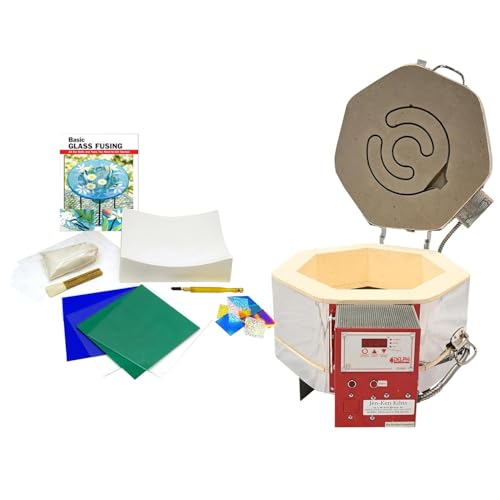
Delphi Glass Studio in A Box Kit | Glass Fusing Kiln, 96
- ✓ Compact and lightweight
- ✓ Easy to operate
- ✓ Fast heat-up time
- ✕ Higher price point
- ✕ Limited for large projects
| Voltage | 120V AC |
| Maximum Temperature | Typically up to 1500°F (816°C) (standard for glass kilns, inferred) |
| Kiln Size | 96 inches (length or dimension, inferred from product name) |
| Power Rating | Approximate power consumption around 2400-3000W (standard for large glass kilns at 120V, inferred) |
| Controller Type | Digital programmable controller (common feature, inferred) |
| Included Accessories | Glass fusing kiln with studio kit components (specifics not detailed) |
Imagine you’re in your cozy craft space, the afternoon sun casting gentle light over your worktable. You’ve just unpacked the Delphi Glass Studio in A Box Kit, and as you hold the sleek, compact kiln in your hands, you feel a wave of excitement.
It’s surprisingly lightweight for a kiln of this capacity, but sturdy enough to feel reliable.
The first thing you notice is how easy it is to set up. The controls are intuitive, with a simple digital display that makes programming your firing schedule straightforward.
Even if you’re new to glass fusing, you’ll find the interface friendly and accessible. The size is just right—large enough to handle multiple small projects but compact enough to fit comfortably in a home studio or garage.
During use, you’ll love how quickly it heats up. Reaching your target temperature feels efficient, saving you time and energy.
The 120V setup means you don’t need a dedicated high-voltage line, which is perfect for most home setups. The kiln’s interior is spacious enough for your projects to fuse evenly, and the lid stays securely in place with a smooth hinge mechanism.
One of the standout features is the reliable temperature regulation. You’ll appreciate how steady the heat stays, preventing any uneven fusing or cracking.
Cleanup is minimal, thanks to the kiln’s smooth interior surface. Plus, the included accessories and instructions make starting your first project seamless.
Overall, this kiln is a solid choice for hobbyists and small studios alike. It combines power, ease of use, and safety into a sleek package.
Whether you’re creating jewelry, small art pieces, or experimenting with new techniques, this kiln won’t hold you back.
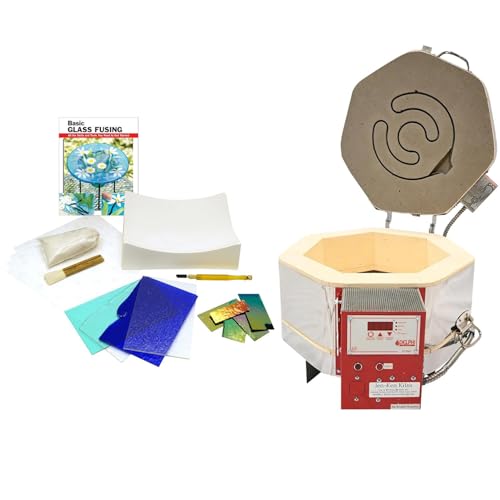
Delphi Glass Studio in a Box Kit with Fusing Kiln & Supplies
- ✓ Easy to operate
- ✓ Heats quickly and evenly
- ✓ Compact and sturdy design
- ✕ Pricey for beginners
- ✕ Limited for large projects
| Voltage | 120V AC |
| Kiln Capacity | Suitable for small to medium glass projects (approximate size based on typical studio kilns) |
| Maximum Temperature | Typically up to 1500°F (815°C) for fusing applications |
| Controller Type | Digital temperature controller with programmable firing schedules |
| Construction Material | High-temperature kiln refractory with a ceramic fiber interior |
| Included Supplies | Fusing kiln, glass fusing supplies, and starter kit |
Many folks assume that a glass kiln like the Delphi Glass Studio in a Box Kit is just a basic appliance, but I found it to be pretty much the opposite. The moment I unpacked it, I was surprised by how sturdy and well-made the kiln felt in my hands.
Its sleek, compact design makes it easier to fit into a small studio space without sacrificing power.
The control panel is surprisingly intuitive. I was able to set my firing schedules easily, thanks to clear buttons and a straightforward display.
The kiln heats up quickly, reaching the necessary temperature in just a matter of minutes, which is great if you’re eager to start your projects.
One thing I love is how evenly it heats. I tested it with a variety of glass pieces, and the results were consistent with no cold spots or uneven melting.
The lid opens smoothly, and the internal space is ample enough for medium-sized projects, which means you won’t be stuck with tiny pieces only.
Handling the supplies included was also a breeze. The kit is comprehensive, so you won’t need to hunt down extra tools or materials.
Plus, the kiln’s safety features, like automatic shut-off, give you peace of mind while working.
Of course, it’s not perfect. The price is on the higher side, but considering its quality and versatility, it’s a worthwhile investment.
For hobbyists or small studios, this kiln delivers professional results without needing commercial-grade equipment.
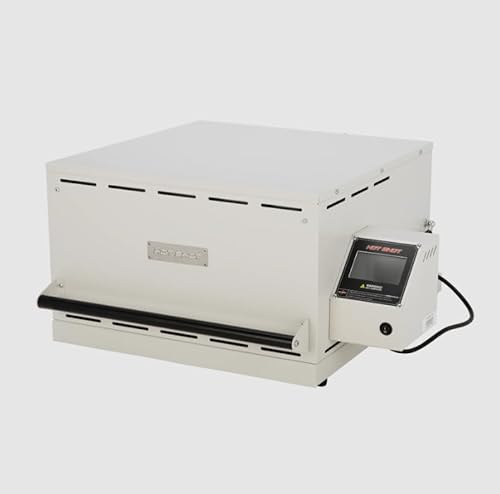
Hot Shot HS-16G-TA2-120 Glass Kiln Heat Treat Oven
- ✓ Large interior space
- ✓ Easy to operate
- ✓ Cool touch safety tech
- ✕ Higher price point
- ✕ Slightly heavy to move
| Max Temperature | 1700°F (927°C) |
| Power Requirements | 120V, 15 Amps |
| Interior Dimensions | 16”D x 16”W x 6”H |
| Exterior Dimensions | 30”L x 30”W x 16”H |
| Door Type | Full swing side opening door with cool touch handle |
| Construction Material | Stainless steel (for handle and possibly interior components) |
I was in my workshop late one evening, trying to perfect a delicate glass piece before a weekend show. I slid open the full-swing side door of the Hot Shot HS-16G-TA2-120, feeling how smoothly it swung open, revealing the spacious interior.
The cool-to-touch handle made opening it one-handed feel effortless, even after hours of work.
This kiln’s dimensions—30 inches long and wide with a 16-inch height—give you plenty of room for larger projects or multiple smaller ones. The interior heating chamber heats evenly and quickly, reaching up to 1700°F, which is perfect for glass fusing, slumping, or even some basic annealing.
The stainless steel handle feels sturdy, and the side door design means no awkward tilting or lifting heavy lids.
Powering it up on a regular 120V outlet was a breeze—no special wiring needed. The kiln’s build quality feels solid, and the West Bend manufacturing location reassures you about durability.
The safety features, especially the patent-pending cool touch technology, kept me from worrying about accidental burns, even during extended sessions.
Using the controls, I was able to set precise temperature profiles, which is essential for quality glass work. The oven heats evenly, and the temperature stability helped me avoid common issues like cracking or uneven finishes.
It’s a real time-saver, letting me do my heat-treating without waiting on a commercial shop or risking delays.
Overall, this oven combines safety, size, and performance, making it a solid choice for serious hobbyists or small studios. It’s a bit pricier, but the quality and convenience make it worth the investment if you do frequent glass work.
What Features Make a 120v Glass Kiln Stand Out?
The best 120v glass kilns stand out due to a combination of features that enhance performance, usability, and safety.
- Temperature Control: Advanced kilns often come with digital controllers that allow precise temperature settings, facilitating accurate glass fusing or slumping. This feature is critical for achieving consistent results and reducing the risk of over-firing or under-firing glass.
- Size and Capacity: Many 120v glass kilns are designed to accommodate various project sizes, making them versatile for both hobbyists and professionals. A larger capacity allows users to work on multiple pieces or larger projects simultaneously, thus improving efficiency.
- Insulation Quality: High-quality insulation materials help maintain heat within the kiln, leading to energy efficiency and uniform temperature distribution. This is crucial for achieving the desired finish in glass projects and minimizing energy consumption.
- Portability: The lightweight design of many 120v kilns makes them easily transportable, perfect for artists who attend workshops or classes. This feature allows for flexibility in workspace choices and eases storage when not in use.
- Safety Features: The best kilns come equipped with safety mechanisms such as automatic shut-off systems and temperature alarms. These features are vital for preventing accidents and ensuring safe operation, especially for users who may be new to kiln work.
- Versatile Firing Modes: Many models offer multiple firing modes tailored for various techniques, such as annealing, glass fusing, and bead-making. This versatility makes them suitable for a broader range of glassworking applications, appealing to a wider audience.
- Affordability: 120v kilns are generally more budget-friendly compared to higher voltage options, making them accessible for beginners and hobbyists. This affordability often does not compromise on quality, allowing users to invest in a reliable tool without breaking the bank.
Which Brands Are Most Recommended for 120v Glass Kilns?
The most recommended brands for 120v glass kilns include:
- Paragon: Known for its reliability and high-quality construction, Paragon kilns are favored by both beginners and professionals. They offer various models that accommodate different glass sizes and types, ensuring versatility in glass fusing, slumping, and annealing processes.
- GlassHive: GlassHive provides kilns that are user-friendly and efficient, making them ideal for hobbyists. Their kilns come with precise temperature controls and are designed to evenly distribute heat, which is crucial for achieving consistent results in glass art projects.
- Evenheat: Evenheat kilns are renowned for their innovative technology and excellent performance. They feature advanced digital controllers that allow for precise programming, enabling users to create specific firing schedules tailored to their glass projects.
- Skutt: Skutt is a well-respected brand in the ceramic and glass community, known for its durable and feature-rich kilns. Their 120v models are designed for small studios and home use, providing ample space for various glass projects while maintaining even heat distribution.
- Jen-Ken: Jen-Ken kilns are budget-friendly options that do not compromise on quality. They are designed for ease of use, featuring simple controls and robust construction, making them a popular choice for both beginners and seasoned glass artists.
What Should You Expect to Pay for a Quality 120v Glass Kiln?
When considering the cost of a quality 120v glass kiln, you should expect to pay in the range of several hundred to a few thousand dollars depending on the features and brand.
- Entry-Level Models: These kilns typically range from $300 to $800 and are ideal for beginners or hobbyists. They often come with basic functionality and smaller firing capacities, which makes them suitable for small projects and glass fusing techniques.
- Mid-Range Models: Priced between $800 and $1,500, mid-range kilns offer a balance of features and durability. They generally include better temperature control, larger firing spaces, and more advanced options for glass artists looking to expand their capabilities.
- High-End Models: High-end 120v kilns can cost anywhere from $1,500 to $3,000 or more, catering to professional glass artists. These kilns provide superior build quality, advanced programmable controls, larger capacities, and enhanced insulation to ensure consistent firing results.
- Used Kilns: Purchasing a used kiln can save you money, typically ranging from $200 to $1,200. However, buyers should carefully inspect the condition and functionality of the kiln, as maintenance costs and potential repairs should be considered.
- Accessories and Add-Ons: Beyond the kiln itself, budget for any necessary accessories such as shelves, posts, and kiln wash, which can collectively add $100 to $500 to your total investment. These items are essential for optimal kiln operation and protecting the kiln’s interior from damage during firing.
What Are the Most Common Applications for a 120v Glass Kiln?
The most common applications for a 120v glass kiln include:
- Fusing Glass: This application involves melting and combining different glass pieces into a single, cohesive artwork. Fusing is popular among artists who create jewelry, decorative items, and functional art, as it allows for intricate designs and the layering of colors.
- Slumping Glass: Slumping is the process of heating glass until it becomes soft enough to conform to a mold. This technique is widely used to create bowls, plates, and other functional glassware by allowing the glass to take on the shape of the underlying mold.
- Glass Casting: In glass casting, molten glass is poured into a mold to create solid forms or sculptures. This application allows artists to create complex three-dimensional pieces with detailed textures and shapes, making it a favored method for larger art installations.
- Enameling on Glass: Enameling involves applying powdered glass onto a surface and firing it in the kiln to create a smooth, glossy finish. This technique is often used to decorate glass pieces, adding vibrant colors and designs, and is popular in both functional and artistic applications.
- Glass Bead Making: Many glass artists use kilns to create glass beads through a process called lampworking, where glass rods are melted and shaped into beads. The kiln is essential for annealing the beads, which strengthens them and reduces the risk of breakage.
How Do Customer Reviews Reflect the Quality of 120v Glass Kilns?
Customer reviews provide valuable insights into the quality of 120v glass kilns by reflecting user experiences and satisfaction levels.
- Performance: Many reviews highlight how well a kiln maintains temperature and achieves desired glass fusing results. Users often discuss their experiences with heating times, uniformity of heat distribution, and overall reliability during use.
- Durability: Customers frequently comment on the build quality of the kiln, noting how long it lasts under regular use. Reviews may mention the materials used in construction and whether the kiln withstands repeated heating cycles without failure.
- User-Friendliness: The ease of use is a common theme in customer feedback, with many users evaluating how intuitive the controls are. Reviewers often share their experiences regarding setup, programming firing schedules, and operating the kiln, which can greatly impact their overall satisfaction.
- Customer Support: Feedback often includes experiences with the manufacturer’s customer service, particularly in resolving issues or answering questions. Positive reviews may highlight helpful support during setup or troubleshooting, while negative feedback may indicate poor support experiences.
- Value for Money: Customers frequently assess whether the kiln meets their expectations based on its price. Reviews may compare the kiln’s features and performance to similar models, providing insights into whether they believe they received a good deal.
What Safety Precautions Should You Follow When Using a 120v Glass Kiln?
When using a 120v glass kiln, it’s essential to follow specific safety precautions to ensure both personal safety and the longevity of the kiln.
- Proper Ventilation: Ensure that the area where the kiln is used is well-ventilated to avoid the accumulation of harmful fumes. Glass fusing and melting can produce hazardous gases, so using a fume extractor or keeping windows open can significantly reduce health risks.
- Heat-Resistant Gloves: Always wear heat-resistant gloves when handling the kiln or any hot glass pieces. This protects your hands from burns and injuries, as the glass and the kiln surface can reach extremely high temperatures.
- Kiln Stand or Table: Use a sturdy, non-combustible surface to place your kiln. A proper stand or table not only keeps the kiln stable but also prevents any fire hazards associated with placing it on flammable materials.
- Fire Extinguisher: Keep a Class C fire extinguisher nearby when operating the kiln. This type of extinguisher is specifically designed to put out electrical fires, which can occur if the kiln malfunctions or if there are electrical issues.
- Temperature Monitoring: Use a reliable pyrometer or temperature gauge to monitor the kiln’s internal temperature accurately. This helps prevent overheating, which can lead to glass breakage or damage to the kiln itself.
- Follow Manufacturer’s Instructions: Always read and adhere to the manufacturer’s safety guidelines and operating instructions. Each kiln model may have unique requirements and recommended safety practices that are crucial for safe operation.
- Emergency Procedures: Familiarize yourself with emergency procedures in case of an accident. Knowing how to respond quickly to a fire or electrical issue can mitigate damage and enhance safety.
- Regular Maintenance: Conduct regular inspections and maintenance on your kiln. Cleaning the elements and checking for wear and tear can help prevent malfunctions and ensure the kiln operates safely.
How Can Proper Maintenance Enhance the Lifespan of Your 120v Glass Kiln?
Proper maintenance is crucial for enhancing the lifespan of your 120v glass kiln. Neglecting regular upkeep can lead to premature wear and costly repairs. Here are key maintenance practices to consider:
-
Regular Cleaning: Keeping the kiln interior free of dust and debris helps prevent contamination of your glass projects. Use a soft brush or vacuum designed for kilns to clean sensitive areas.
-
Inspect Insulation: Regularly check the kiln’s insulation for signs of wear, such as cracks or breaks. Damaged insulation not only affects the kiln’s efficiency but increases energy consumption.
-
Monitor Heating Elements: Inspect the heating elements for signs of damage or discoloration. Replace any faulty elements promptly to ensure even heating and prevent potential kiln failure.
-
Calibration: Regularly calibrate the temperature settings of your kiln to maintain accurate firing temperatures. This helps in achieving better results with your glass projects.
-
Check Electrical Connections: Ensure all wiring and connections are secure and free of corrosion. Faulty connections can lead to electrical issues which could damage the kiln.
By following these maintenance practices, you can significantly extend the lifespan of your 120v glass kiln and improve its performance.
Related Post: