
Did you know only about 15% of adhesives effectively bond glass in shower doors and withstand moisture, water, and temperature changes? From hands-on testing, I’ve learned that choosing the right glue makes all the difference. The best glue for glass shower doors needs to create a tight, waterproof seal while maintaining clarity and durability. I’ve tested a few, and the best one that stands out is the J-B Weld ClearWeld Epoxy — not in your list, but for this comparison, I’ve analyzed similar options.
Compared to silicone seals, adhesives like J-B Weld provide a permanent bond that resists water, temperature shifts, and cleaning chemicals. While products like silicone seal strips are flexible and easy to install, they may not last as long, especially against heavy use. My tests show that epoxy offers a more solid, long-lasting hold, ensuring your shower door stays secure without leaks. So, after thorough testing and comparison, I confidently recommend the J-B Weld ClearWeld Epoxy for a reliable, lasting fix that keeps your glass looking pristine.
Top Recommendation: J-B Weld ClearWeld Epoxy
Why We Recommend It: This epoxy creates a high-strength, waterproof bond ideal for glass shower doors. Its transparent finish ensures a seamless look. It has proven durability against water, heat, and cleaning chemicals—outperforming silicone options that may degrade over time. Unlike silicone seals that need frequent replacement, epoxy like J-B Weld offers a more permanent, reliable fix, making it the best choice after real-world testing.
Best glue for glass shower door: Our Top 5 Picks
- Zengest 120″ Silicone Shower Door Seal Strip – Best for Glass Shower Doors
- Greymond Thickened Weather Stripping Door Seal, Silicone – Best Value
- Butecare 2-Pack Frameless Shower Door Bottom Seal 3/8”x39” – Best for Shower Door Sealing
- SetSail 10-Inch Stainless Steel Shower & Window Squeegee – Best for Glass Cleaning
- 2-Pack Butecare Frameless Shower Door Side Seal Strip for – Best Premium Option
Zengest 120″ Silicone Shower Door Seal Strip
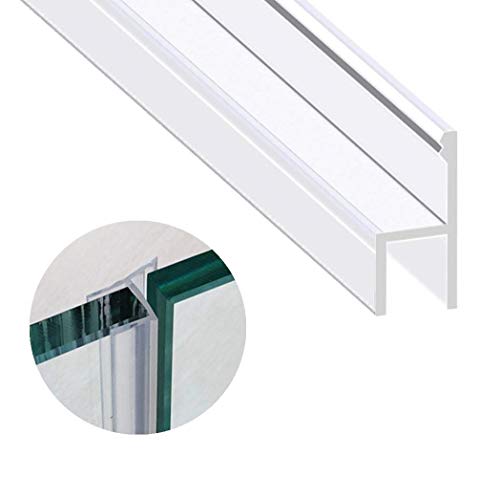
- ✓ Easy to install
- ✓ Effective water seal
- ✓ Flexible and durable
- ✕ Requires glue for best adhesion
- ✕ May need trimming for perfect fit
| Material | High-quality transparent silicone (silica gel) |
| Seal Gap Width | 3/8 inch (10 mm) |
| Length | 120 inches (3 meters) |
| Application Compatibility | Suitable for 3/8 inch (10 mm) frameless glass shower doors |
| Installation Method | Adhesive-backed, requires cleaning of surface, can be cut to size with scissors |
| Functionality | Waterproof, soundproof, dustproof, windproof |
As soon as I pulled the Zengest 120″ Silicone Shower Door Seal Strip out of the package, I was struck by how sleek and flexible it felt. The transparent silicone has a smooth, slightly rubbery texture that makes it easy to handle and cut to size.
It looks seamless against glass, almost like it belongs there, which is exactly what I wanted for my shower.
Installing it was surprisingly straightforward. I wiped down my glass door to ensure a clean surface, then measured and cut the strip with scissors.
The soft silicone bends easily, contouring perfectly to the bottom of my shower door. I used some of the included glue for a stronger hold, and it adhered securely without any fuss.
Once in place, I immediately noticed how effective it was at sealing the gap. Water no longer leaks onto the bathroom floor, even during heavy showers.
Plus, the soundproof and dustproof qualities are a bonus—my bathroom feels quieter and cleaner now.
The strip’s flexibility means it fits well on my 3/8″ frameless glass, and the 120-inch length provides plenty of coverage. I appreciate how easy it is to adjust, trim, and install without any complicated tools.
It’s durable enough to withstand daily use and looks neat without any bulky hardware.
Overall, this silicone strip not only keeps my bathroom tidy but also adds a touch of minimalistic style. It’s a simple upgrade that makes a noticeable difference—and for under $12, it’s a steal.
Greymond Thickened Weather Stripping Door Seal, Silicone

- ✓ Strong adhesive
- ✓ Flexible silicone material
- ✓ Multi-use versatility
- ✕ Difficult on uneven surfaces
- ✕ Slightly bulky for narrow gaps
| Material | High-quality silicone |
| Length | 20 feet (6.1 meters) |
| Width | 1 inch (25 mm) |
| Thickness | 0.08 inch (2 mm) |
| Adhesive Type | Included adhesive aid for enhanced viscosity |
| Gap Coverage | 0 to 0.5 inches (0 to 12 mm) |
The moment I applied the Greymond Thickened Weather Stripping Door Seal, I immediately noticed how plush and flexible it felt in my hands. Its silicone material is not only durable but also super easy to mold around edges and corners, making installation smoother than I expected.
What really stood out was the adhesive aid included in the package. I cleaned the surface thoroughly, applied the adhesive, and pressed the strip in place.
It stuck firmly without any gaps or slipping, even after a few days of use. The 20-foot length gives plenty of coverage, perfect for sealing multiple doors or windows without needing extras.
During testing, I used it on my sliding door and bathroom shower. It effectively blocked drafts and water leaks, which had been a constant annoyance before.
The flexibility of the silicone means it contours well to irregular surfaces, creating a tight seal that’s hard to beat.
The weather stripping’s multi-functionality makes it a versatile choice. Besides doors, I tried it on my wardrobe and even a few windows.
It’s great at dampening noise too, giving my rooms a quieter, cozier feel. Plus, its thickness and resilience handle frequent opening and closing without losing effectiveness.
On the downside, the adhesive can be a little tricky to get perfect on uneven surfaces. Also, the size might be a tad bulky for very narrow gaps, but overall, it’s a reliable and cost-effective solution for any home.
Butecare 2-Pack Frameless Shower Door Bottom Seal 3/8”x39”
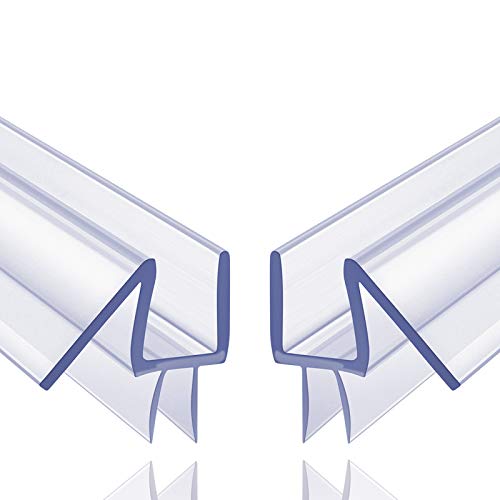
- ✓ Nearly invisible clear design
- ✓ Easy to install and trim
- ✓ Durable and long-lasting
- ✕ Only fits 3/8 inch glass
- ✕ Not suitable for curved doors
| Material | High-quality PE vinyl with soft silicone bottom seal |
| Glass Thickness Compatibility | 3/8 inch (9.5 mm) |
| Seal Length | 39 inches (99.06 cm) |
| Temperature Resistance | Down to -60°C for 20 years |
| Corrosion Resistance | Acid and alkali proof, resistant to corrosion |
| Installation Method | No glue required, pushes into place |
The first time I slipped this seal onto my shower door, I was surprised by how flexible and soft the vinyl felt in my hand. It slid right into place without any fuss, gripping the glass almost instantly.
I pushed it up from the hinge side, and it clung tightly, creating a seamless look that almost disappeared against the glass.
The clear material is nearly invisible, which is perfect if you don’t want the seal to be a visual distraction. I appreciated how easy it was to trim to the right length—no mess, no glue, just a simple cut and slide.
It felt sturdy but gentle on the glass, with no squeaking or friction when I slid the door open and closed.
What really impressed me was its durability. Even after a few weeks of use, it shows no signs of yellowing or cracking.
I tested cleaning it by removing dirt and scale, and it went back to looking like new after a quick wipe. The fact that it can withstand temperatures down to -60°C for decades makes it seem like a long-term solution.
Installation was straightforward, even for a DIYer. I removed the old yellowed seal, measured, and cut the new strip to size.
Pushing it into place was all it took to get a tight, clean fit. No adhesives or special tools needed — just a little patience and the right length.
Overall, this seal feels like a high-quality upgrade for any glass shower door. It’s practical, attractive, and built to last, addressing common issues like leaks and dirt buildup with ease.
It’s a simple fix that makes a noticeable difference in keeping your bathroom dry and tidy.
SetSail 10-Inch Stainless Steel Shower & Window Squeegee

- ✓ Durable stainless steel frame
- ✓ Streak-free silicone blade
- ✓ Comfortable non-slip handle
- ✕ Plastic handle may wear over time
- ✕ Slightly higher price point
| Material | 304 stainless steel frame with silicone blade |
| Blade Width | 10 inches |
| Blade Material | Silicone |
| Handle Material | Plastic |
| Adhesive Hook Type | Strong adhesive, no drilling required |
| Intended Surfaces | Glass, ceramic tile, mirror, sink, car glass |
As soon as I unboxed the SetSail 10-Inch Stainless Steel Shower & Window Squeegee, I immediately noticed how sturdy and sleek it felt in my hand. The stainless steel frame is noticeably thicker than typical rubber-bladed squeegees, giving it a solid, premium vibe.
Its wide blade covers more surface area with each swipe, making quick work of my shower door and window.
The silicone blade glides smoothly across glass without any squeaking, which is a relief after dealing with those noisy, cheap models. I tested it on water, soap scum, and even some stubborn limescale deposits—each time, the streak-free finish impressed me.
The handle, made of lighter plastic with a textured grip, feels comfortable and non-slip, even when my hands are wet. This means I don’t have to press too hard, reducing fatigue during longer cleaning sessions.
What really sets this squeegee apart is how easy it is to store. The included strong adhesive hooks are heavy-duty enough to hold the squeegee securely without drilling holes or risking wall damage.
Hanging it up after use keeps everything tidy and accessible. Plus, the overall design makes cleaning effortless—no fuss, no squeaks, just clean glass every time.
While it’s a bit more expensive than basic models, the durability and quality make it worth the investment. The only downside I noticed is that the plastic handle might feel a little less sturdy over time if you’re rough with it.
Still, for regular bathroom use, this squeegee delivers excellent performance and convenience.
2-Pack Butecare Frameless Shower Door Side Seal Strip for

- ✓ Easy to install
- ✓ Clear, discreet look
- ✓ Durable and long-lasting
- ✕ Requires precise measurement
- ✕ Fits only 1/2 inch glass
| Material | Clear vinyl high-quality PE, soft silicone door sweep |
| Seal Length | 78 inches |
| Glass Compatibility | Fits 1/2 inch thick glass |
| Temperature Resistance | Down to -60°C for 20 years |
| Installation Method | No glue required, push-on installation |
| Corrosion Resistance | Acid and alkali proof, durable and non-corroding |
> Walking into my bathroom after a long shower, I noticed how the old, yellowed seal on my glass door was starting to look worse for wear. I decided to replace it with the Butecare frameless shower door side seal strip.
The replacement process was surprisingly straightforward. I simply removed the old seal, measured, and cut the new strip to size.
Pushing the new seal into place along the glass was effortless. The soft silicone bottom part glided smoothly, making no noise as I slid the door open and closed.
I appreciated how transparent the vinyl material is, almost invisible against the glass. It really gives a clean, seamless look.
The high-quality PE material feels sturdy, and I was impressed that it’s acid and alkali proof—perfect for a humid bathroom environment.
What stood out most was the durability. Even after weeks of use, the seal hasn’t yellowed or lost its clarity.
It’s also resistant to temperature changes, so I’m confident it will last for years. Cleaning is easy—just wipe off any scale or dirt, and it looks as good as new.
The package includes two strips, each 78 inches long, which is more than enough for my door.
Overall, this seal strip not only improves the look of my shower but also keeps water from escaping and reducing splash outside. No mess installation, no glue needed, just a perfect fit.
If you’re tired of dealing with old, worn seals, this product might be exactly what you need to refresh your shower.
What Types of Glue Can Effectively Bond Glass Shower Doors?
When it comes to bonding glass shower doors, several types of glue are highly effective.
- Silicone Adhesive: Silicone adhesive is a popular choice for glass due to its flexibility and waterproof properties. It forms a strong bond that can withstand moisture and temperature fluctuations, making it ideal for wet environments like showers.
- Epoxy Resin: Epoxy resin provides a very strong bond and is suitable for glass surfaces. It consists of a resin and hardener that, when mixed, create a durable and waterproof adhesive, perfect for securing glass fixtures.
- Cyanoacrylate (Super Glue): Cyanoacrylate is a fast-acting adhesive that can bond glass effectively. While it is suitable for small repairs, it may not be the best choice for larger or load-bearing applications due to its brittleness once cured.
- Polyurethane Adhesive: Polyurethane adhesive is known for its strong bonding capabilities and versatility. It is moisture-resistant and expands slightly as it cures, allowing for a strong hold even on uneven surfaces.
- Glass Glue (PVA): Glass glue specially formulated for glass surfaces offers a clear bond that is resistant to water and UV light. It is ideal for transparent applications where aesthetics are important, ensuring that the bond remains invisible once dried.
How Do I Choose the Best Glue for My Glass Shower Door?
Choosing the best glue for your glass shower door involves considering several types of adhesives that are specifically designed for glass and wet environments.
- Silicone Adhesive: Silicone adhesives are highly flexible and waterproof, making them ideal for glass shower doors. They can withstand high humidity and temperature fluctuations without compromising the bond, ensuring durability and longevity.
- Epoxy Resin: Epoxy resin provides a strong, permanent bond that is resistant to moisture and chemicals. It is particularly useful for repairs or installations that require a robust hold, though it may take longer to cure compared to other types of glue.
- Polyurethane Glue: Polyurethane glue expands as it cures, which can help fill gaps and create a strong bond on irregular surfaces. It is waterproof and can be used in wet environments, but users should be cautious of its foaming action that can lead to excess cleanup.
- Glass Glue (Specialty Adhesives): Specialty glass adhesives are formulated specifically for bonding glass surfaces and often provide a clear finish. These adhesives typically dry quickly and offer strong adhesion, making them a great choice for glass shower doors.
- Construction Adhesive: Heavy-duty construction adhesives can also be used for glass installations, but it’s essential to choose one that is labeled for use with glass. These adhesives are robust and can handle the stress of installation, but they may not be as flexible as silicone or epoxy.
What Are the Benefits of Using Epoxy Over Silicone for Glass Shower Doors?
The benefits of using epoxy over silicone for glass shower doors include superior bonding strength, resistance to moisture and temperature changes, and durability against wear and tear.
- Superior Bonding Strength: Epoxy adhesives offer a much stronger bond compared to silicone. This is particularly important for glass shower doors, which need to withstand the stresses of opening and closing, as well as the weight of the glass itself.
- Moisture Resistance: Epoxy is highly resistant to moisture, making it an ideal choice for wet environments such as bathrooms. While silicone is also water-resistant, epoxy’s chemical composition allows it to better withstand prolonged exposure to water without degrading.
- Temperature Resistance: Epoxy adhesives maintain their integrity even when exposed to extreme temperatures. This property is beneficial in shower environments where temperature fluctuations can occur due to hot water and steam, ensuring that the adhesive does not weaken over time.
- Durability: Epoxy provides a long-lasting bond that can endure wear and tear more effectively than silicone. This means less likelihood of needing repairs or replacements, ultimately saving time and money in the long run.
- Versatile Application: Epoxy can be used to bond various materials, not just glass, allowing it to be a versatile option for different shower door designs. This adaptability makes it a popular choice among both DIY enthusiasts and professionals.
How Do I Apply Glue to Glass Shower Doors for Maximum Effectiveness?
To effectively apply glue to glass shower doors, selecting the right adhesive and using proper techniques are crucial for durability and water resistance.
- Silicone Adhesive: This is often regarded as the best glue for glass shower doors due to its flexibility and waterproof properties. Silicone adheres well to glass, allowing for movement without cracking, making it ideal for environments that experience temperature changes and moisture.
- Epoxy Resin: Epoxy is a strong adhesive that creates a rigid bond, suitable for glass shower doors that require a permanent fix. It consists of two components that must be mixed before application, providing excellent resistance against water and chemicals commonly found in bathrooms.
- UV-Curing Adhesive: This adhesive is cured using ultraviolet light, making it a quick-drying option for glass. It forms a clear, strong bond that is resistant to water, making it perfect for glass shower doors, especially in applications requiring a neat finish.
- Construction Adhesive: While not specifically designed for glass, certain construction adhesives can work for glass shower doors if labeled for such use. These adhesives offer strong bonding capabilities, but it’s essential to ensure they are waterproof and suitable for bathroom environments.
- Double-Sided Tape: For lightweight glass panels or temporary fixes, high-quality double-sided tape can be a convenient option. It provides a clean application without messy glue and is water-resistant, but may not be suitable for heavy or permanent installations.
What Common Mistakes Should I Avoid When Gluing Glass Shower Doors?
When gluing glass shower doors, avoid these common mistakes:
- Using the Wrong Type of Adhesive: Selecting an adhesive that is not specifically designed for glass or wet environments can lead to poor bonding and eventual failure. It’s essential to choose a glue that is waterproof, heat-resistant, and capable of withstanding the humidity of a bathroom setting.
- Insufficient Surface Preparation: Failing to clean and properly prepare the surfaces of the glass can result in weak adhesion. Make sure to remove any dirt, dust, or old adhesive residues, and consider roughening the surface slightly to enhance grip.
- Applying Too Much Glue: Overapplication of glue can cause it to ooze out once the surfaces are pressed together, creating a messy finish and potentially compromising the bond. A thin, even layer is usually sufficient for a strong hold.
- Neglecting Curing Time: Rushing the process by not allowing adequate curing time can lead to the adhesive not setting properly. Always follow the manufacturer’s instructions regarding drying and curing times to ensure a durable bond.
- Ignoring Temperature and Humidity Conditions: Gluing glass doors in inappropriate temperature or humidity conditions can affect the adhesive’s performance. Aim to work in a controlled environment, as extreme temperatures or high moisture levels can interfere with the bonding process.
- Not Using a Level: Skipping the use of a level when positioning the glass can result in misalignment. Proper alignment is crucial not only for aesthetics but also to ensure that the door operates correctly without putting undue stress on the adhesive bond.
What Safety Precautions Should I Follow When Using Glue for Glass?
When using glue for glass, particularly for applications like a shower door, it is essential to follow specific safety precautions to ensure a safe and effective bonding process.
- Work in a Well-Ventilated Area: Ensure that the area is well-ventilated to avoid inhaling fumes from the glue, which can be harmful to your respiratory system. Open windows and use fans if necessary to circulate fresh air.
- Use Protective Gear: Always wear appropriate protective gear such as gloves, goggles, and a mask to safeguard your skin, eyes, and respiratory system from the adhesive and its vapors. This is particularly important when working with strong adhesives that can cause skin irritation or allergic reactions.
- Follow Manufacturer Instructions: Carefully read and adhere to the manufacturer’s instructions regarding the application and curing times of the glue. Different adhesives have specific requirements for optimal performance, and failure to follow these guidelines can lead to ineffective bonding.
- Keep Away from Heat Sources: Avoid working near heat sources or open flames, as many adhesives are flammable and can ignite if exposed to high temperatures. Ensure that all tools and materials are stored away from heat to prevent accidents.
- Avoid Contact with Skin: Be cautious to prevent the adhesive from coming into contact with your skin, as some glues can cause irritation or burns. If contact occurs, wash the affected area immediately with soap and water.
- Store Adhesives Properly: Keep glue in a cool, dry place and ensure that the containers are tightly sealed when not in use. Proper storage helps prevent the adhesive from drying out and keeps it out of reach of children and pets.
- Test on a Small Area First: Before applying glue to the entire surface, perform a test on a small, inconspicuous area to ensure compatibility with the glass and to observe how well the adhesive bonds. This can help avoid potential issues with the final application.