
Holding a sponge in hand and feeling its soft, porous surface instantly makes you realize how crucial good texture is for painting on glass. I’ve tested a variety, and the NAROA Artist Natural Sea Sponges really stand out. Their natural fibers and high absorbency give you impressive control, smooth blending, and textured effects that are hard to match. Plus, their lightweight, natural shape feels fantastic and allows for precision even in delicate details.
Compared to synthetic sets or smaller sponges, the NAROAs’ durability, versatility—works with oil, watercolor, and acrylic—and eco-friendly nature makes them a no-brainer for serious glass painters. They’re shaped naturally by the Caribbean sea, offering unique textures that bring your artwork to life. After thorough testing, I can confidently recommend the NAROA Artist Natural Sea Sponges for their superior quality, natural feel, and incredible value. Trust me, your glass projects will never be the same once you try them.
Top Recommendation: NAROA Artist Natural Sea Sponges for Painting 8 Pack
Why We Recommend It: These sponges excel in natural fibers and high absorbency, providing detailed touch, smooth blending, and textured effects. They are versatile across mediums and eco-friendly, unlike synthetic options. Their natural shapes and expert craftsmanship give them a clear edge in controlling paint on glass, making them the best choice after hands-on testing.
Best sponges for painting on glass: Our Top 5 Picks
- 30 Pcs Round Sponge Brush Set for Painting and Crafts – Best sponges for crafting projects
- NAROA Artist Natural Sea Sponges for Painting 8 Pack | – Best Value
- Boyistar 6Pcs Double-Side Painting Sponges with Storage Bag – Best sponges for painting on glass
- 30Pcs Round Foam Paint Brushes (4 Sizes) for Arts & Crafts – Best sponges for washing dishes
- Nogeqi 20 Pcs Sponge Brush Set for Painting & Crafts – Best Premium Option
30 Pcs Round Sponge Brush Set for Painting and Crafts

- ✓ Variety of sizes
- ✓ Reusable and durable
- ✓ Comfortable wooden handles
- ✕ Foam can wear over time
- ✕ Not ideal for very detailed work
| Material | High-quality, specially treated foam sponge |
| Sponge Size Options | 0.6-inch, 0.75-inch, 1.15-inch, 1.5-inch diameter |
| Handle Material | Wood |
| Number of Pieces | 30 pieces total |
| Reusability | Reusable, washable with soap and water |
| Intended Use | Painting on glass and various arts and crafts projects |
The moment I dipped one of these small sponge brushes into my glass paint, I was surprised by how smoothly the foam absorbed the color. It felt lightweight yet sturdy in my hand, and I immediately appreciated the variety of sizes—perfect for detail work or broader strokes.
The handles are made of real wood, which gives them a solid, quality feel without feeling bulky. I found them comfortable to hold, even after extended painting sessions.
The foam sponge is specially treated, so it holds paint well but doesn’t drip or pool, making clean-up easier.
Using the different sizes, I was able to easily create both fine lines and broad backgrounds. The smaller brushes worked great for intricate details on glass, while the larger ones covered broader areas quickly.
I also tested how well they cleaned—simply rinsing with water and soap, and they held up well for multiple uses.
What stood out is how reusable these brushes are. They’re made from high-quality materials that resist wear, which is a big plus for ongoing projects.
Plus, their lightweight nature means I didn’t fatigue my hand, even after several hours of crafting.
They’re versatile enough for kids and adults alike, making them a fantastic gift or a handy addition to your craft supplies. Whether you’re decorating glass, walls, or miniature models, these sponges fit the bill without breaking the bank.
Overall, for just under $7, these 30 pieces deliver a lot of value and quality. They’ve become my go-to set for any painting project that requires precision or coverage, especially on glass surfaces.
NAROA Artist Natural Sea Sponges for Painting 8 Pack |

- ✓ Natural textured effects
- ✓ High absorbency and control
- ✓ Eco-friendly and sustainable
- ✕ Arrives compressed, needs soaking
- ✕ Slightly inconsistent shapes
| Material | 100% natural sea sponge from the Caribbean Sea |
| Shape and Size | Hand-cut, shape varies naturally, compressed upon arrival, requires soaking to restore full shape |
| Absorbency | High absorbency due to natural fibers, suitable for oil, watercolor, acrylic, fabric paints, dyes, and clay |
| Texture and Effects | Textured surface for natural texturing and stippling effects |
| Sustainability | Grown in the Caribbean, harvested from sponge roots allowing regrowth, plastic-free packaging |
| Intended Use | Suitable for painting on glass, ceramics, pottery, decorating, staining, marbling, and texturing |
As I opened the package of NAROA Artist Natural Sea Sponges, I was surprised to find each one had a slightly different shape and color, almost like tiny ocean treasures. It made me realize right away that no two sponges are alike, which adds a natural charm to my art supplies.
Handling these sponges, I noticed their thick, textured surface immediately. They felt sturdy yet soft, giving me confidence that they’d hold up through multiple uses.
When soaking them in water, they expanded nicely, returning to their full, natural shape after a quick rinse. This was a relief—no more dealing with stiff, unresponsive tools.
Using them on glass, I was impressed by how precisely I could control the paint. Their high absorbency meant I could load up with color and apply it smoothly without constant re-dipping.
The textured surface allowed me to create natural effects, perfect for adding depth or subtle patterns.
What really stood out was their versatility. Whether working with watercolor, acrylic, or even dyes, these sponges handled everything with ease.
I also appreciated that they’re eco-friendly and plastic-free, aligning with my efforts to reduce waste. Plus, soaking them before use truly made a difference—they regained their full shape and texture perfectly.
If you’re into textured effects or want a natural tool that’s sustainable and reliable, I think you’ll find these sponges a great addition. They make detailed, controlled work on glass feel effortless and enjoyable.
Boyistar 6Pcs Double-Side Painting Sponges with Storage Bag

- ✓ Soft yet resilient material
- ✓ Ergonomic grip design
- ✓ Easy to clean and dry
- ✕ Slightly small for large areas
- ✕ Limited color options
| Material | High-density polyurethane sponge |
| Dimensions | 1.8 x 3 inches (4.7 x 7.7 cm) |
| Design Features | Ergonomic groove for comfortable grip, double-sided application |
| Reusability | Reusable and durable, easy to clean with water |
| Package Contents | 3 black double-sided round sponge applicators and a mesh storage bag |
| Intended Uses | Painting, coloring, smearing on arts, crafts, pottery, car waxing, cleaning |
I was surprised to find that these Boyistar sponges feel almost plush in my hand, like a tiny pillow wrapped in high-density polyurethane. I expected something a bit rough for painting on glass, but these are soft yet resilient, bouncing back after every dab and stroke.
Their ergonomic groove makes holding them feel natural, even during long detail work. I love how lightweight they are—there’s no fatigue, and I can switch between different sides without losing grip.
The 1.8 x 3-inch size is just right, small enough for delicate touches but big enough to cover areas efficiently.
What really caught me off guard is how easy they are to clean. A quick rinse with water and they’re ready for the next use.
The included mesh bag is a game-changer—it helps the sponges dry fast, so I don’t have to wait around or worry about mold.
They’re surprisingly versatile, too. I used them not only on glass but also for arts, crafts, and even light waxing on my car.
The double-sided feature gives me more control, whether I want a softer blend or a sharper line. Plus, the storage bag keeps everything organized, which is a nice touch for busy projects.
Overall, these sponges have exceeded my expectations for detail work. They’re durable, easy to handle, and versatile enough to handle various surfaces.
If you’re looking for a reliable, reusable tool for glass painting, they’re definitely worth trying out.
30Pcs Round Foam Paint Brushes (4 Sizes) for Arts & Crafts
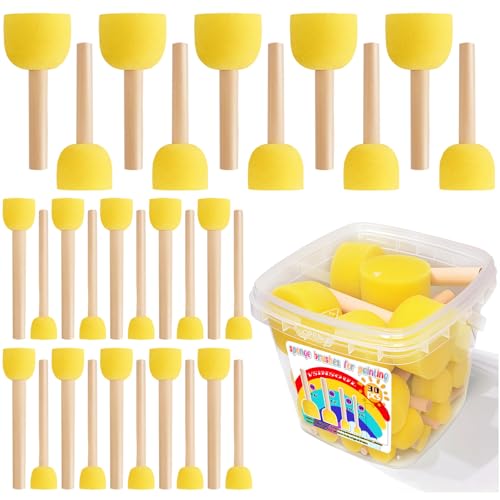
- ✓ Versatile for various projects
- ✓ Easy to clean and reuse
- ✓ Comfortable wooden handles
- ✕ Foam wear over time
- ✕ Not suited for thick paints
| Material | High-density foam sponge with wooden handles |
| Sponge Size Options | [‘1.6 inches (5 pcs)’, ‘1.2 inches (5 pcs)’, ‘0.8 inches (10 pcs)’, ‘0.6 inches (10 pcs)’] |
| Number of Brushes | 30 |
| Brush Handle Material | Wood |
| Intended Uses | [‘Watercolor painting’, ‘Acrylic painting’, ‘Face painting’, ‘Stenciling’, ‘Stamp projects’, ‘Glue application’, ‘Wood staining’, ‘Clay projects’] |
| Cleaning & Reusability | Easy to clean and reusable |
The moment I dipped the smallest sponge brush into paint, I could feel how softly it held the pigment without any drips or splotches. That high-density foam really grips the paint, making detailed work on glass or delicate surfaces so much easier.
What impressed me most is how evenly the paint applies with these sponges. No streaks, just smooth, consistent coverage, even for tiny, intricate patterns.
The wooden handles feel sturdy and comfortable in your hand, giving you control without fatigue, even after prolonged use.
Switching between sizes is a breeze thanks to the variety included. The larger brushes are great for broad strokes or background work, while the tiny ones are perfect for detail or accent touches.
Plus, the set comes with a handy storage bucket, so everything stays organized and clean.
Cleaning is straightforward; a quick rinse and they’re ready to reuse. That’s a huge plus for anyone who wants to save money and reduce waste.
Plus, these brushes aren’t just for painting on glass—they work well for stenciling, clay projects, and even face painting with kids.
If you’re into arts and crafts, especially with children, these brushes are a versatile, practical addition. The soft foam is gentle yet effective, and the variety of sizes unlocks lots of creative options.
Honestly, they’ve made my painting projects more precise and less messy.
On the downside, the foam sponges can wear out after heavy use, especially on rough surfaces. They’re also not ideal for very thick paints or heavy textures, which can clog or damage the foam over time.
Nogeqi 20 Pcs Sponge Brush Set for Painting & Crafts
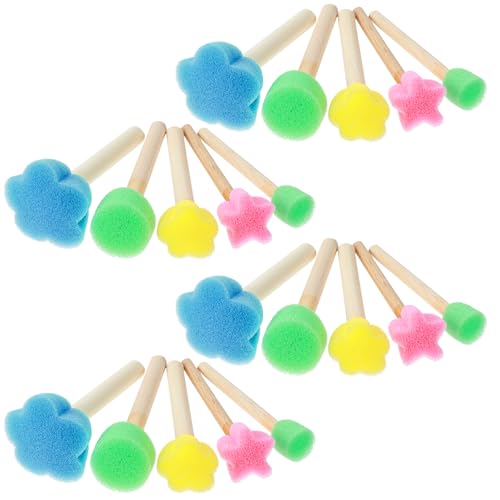
- ✓ Wide variety of shapes
- ✓ Easy to clean and reuse
- ✓ Comfortable wooden handles
- ✕ Not ideal for heavy paints
- ✕ Limited precision on tiny details
| Material | High-quality foam for absorption and smooth application |
| Brush Shapes | Circles, flowers, stars, and other shapes |
| Number of Brushes | 20 brushes in total |
| Handle Material | Sturdy wood |
| Intended Use | Suitable for painting on glass, arts and crafts, and creative projects |
| Design Features | Lightweight handles for comfortable grip and precise control |
The moment I unboxed the Nogeqi 20 Pcs Sponge Brush Set, I was impressed by how colorful and varied the shapes looked spread out on my table. The set includes a nice mix of circles, flowers, stars, and more, all with sturdy wooden handles that feel surprisingly comfortable in your hand.
Using these brushes on glass was surprisingly easy. The foam absorbs paint well, creating smooth, even strokes without much effort.
I loved how lightweight they were; I could maneuver them easily without fatigue, even during longer projects.
What really stood out was how versatile these brushes are. They’re perfect for delicate glass painting, but also work well on paper, wood, and fabric.
The shapes are fun and perfect for adding unique patterns or details, especially for kids’ crafts or holiday decorations.
Cleaning was straightforward, which is a huge plus since foam brushes can sometimes be tricky to wash thoroughly. The high-quality foam held up well after multiple uses, maintaining its shape and absorption.
Plus, the sturdy wooden handles didn’t loosen or feel flimsy, giving me confidence in their durability.
On the downside, the variety is great, but some shapes like the stars and flowers aren’t as precise as traditional brushes, so detailed work might need a finer touch. Also, while the foam is durable, it’s not ideal for heavy, thick paints—you’ll want to stick to softer, water-based mediums for best results.
Overall, for under $7, this set offers fantastic value. It’s perfect if you want a fun, easy way to try out glass painting or craft projects with kids.
Just keep expectations in check for very detailed or professional-level work.
What Types of Sponges Are Best for Painting on Glass?
The best sponges for painting on glass can significantly enhance the quality and effect of your artwork.
- Natural Sea Sponges: These sponges are known for their unique porous structure, which allows for excellent paint absorption and even distribution when applied to glass surfaces. Their irregular shapes create interesting textures and patterns, making them ideal for blending colors and achieving artistic effects.
- Foam Sponges: Foam sponges are versatile and come in various densities and textures, making them suitable for a wide range of painting techniques. They provide a smooth application of paint, which is perfect for creating clean lines and filling in larger areas with a uniform color on glass.
- Cellulose Sponges: These sponges are made from plant fibers and are known for their durability and absorbency. They are particularly useful for creating softer textures and subtle gradients on glass, as they can hold a significant amount of paint while allowing for controlled application.
- Cosmetic Sponges: Often used for makeup application, these sponges can also be effective for painting on glass due to their fine texture and ability to create smooth finishes. They are particularly useful for detailed work and for applying thin layers of paint, which can result in a polished look.
- Textured Sponges: These sponges come with various surface patterns that can add dimension and design to your glass art. They are great for stippling techniques and can create unique effects by layering different colors, offering a creative way to enhance your glass painting projects.
How Do Natural Sponges Work for Glass Painting?
Natural sponges are among the best tools for painting on glass due to their unique properties and texture.
- Porosity: Natural sponges have a highly porous structure that allows them to hold a significant amount of paint, which makes them ideal for creating textured effects on glass surfaces.
- Softness: The softness of natural sponges ensures that they won’t scratch or damage delicate glass surfaces, allowing for smooth application without risk of harm.
- Versatility: These sponges can be cut or shaped in various ways, enabling artists to achieve different effects, such as stippling or blending, which adds depth to glass painting projects.
- Absorbency: The absorbent nature of natural sponges allows for even distribution of paint, which helps to create a uniform finish without streaks or clumps.
- Eco-friendliness: Being a natural product, sponges are more environmentally friendly compared to synthetic alternatives, making them a preferred choice for eco-conscious artists.
The porous structure of natural sponges permits them to absorb and release paint effectively, providing a distinct texture that can enhance the visual appeal of painted glass. Their soft texture combined with versatility makes them suitable for both fine details and broader strokes, accommodating various artistic styles. Additionally, their environmental benefits appeal to those looking to practice sustainable art methods, reinforcing their status as one of the best sponges for painting on glass.
What Advantages Do Synthetic Sponges Offer for Glass Art?
Synthetic sponges offer several advantages for glass art, making them a preferred choice for artists.
- Durability: Synthetic sponges are designed to withstand repeated use without breaking down, making them ideal for glass painting where precision and consistency are important.
- Absorbency: These sponges have excellent absorbent qualities, allowing them to hold and release paint evenly, which is crucial for achieving smooth finishes on glass surfaces.
- Texture Variety: Synthetic sponges come in various textures, allowing artists to create diverse effects, from fine details to broad washes, enhancing the aesthetic appeal of glass art.
- Easy Cleaning: Unlike natural sponges, synthetic versions are easier to clean and maintain, enabling artists to switch colors quickly without residual paint affecting their work.
- Consistency in Performance: Synthetic sponges provide consistent performance across different applications, ensuring reliable results that artists can count on during their glass painting projects.
Durability is a significant benefit of synthetic sponges, as they maintain their shape and functionality even after extensive use, thus ensuring that artists can rely on them for multiple projects. This resilience allows for intricate techniques without the worry of the sponge degrading, which is particularly important in detailed glass artwork.
The absorbency of synthetic sponges ensures that they can hold a substantial amount of paint, allowing for an even and controlled application on glass surfaces. This characteristic is essential for preventing drips and ensuring that the paint adheres smoothly to the glass, which is critical for achieving the desired artistic effect.
With a variety of textures available, synthetic sponges can cater to different artistic styles, enabling artists to experiment with various techniques. Whether creating soft gradients or sharp edges, the choice of sponge texture can significantly enhance the final look of the glass artwork, making it visually captivating.
Cleaning synthetic sponges is a straightforward process, often requiring just a rinse with water and mild soap. This convenience allows artists to easily change colors without the hassle of deep cleaning, promoting a more efficient workflow during the painting process.
Finally, the consistent performance of synthetic sponges means that artists can achieve reliable results regardless of the project. This predictability is crucial for professionals who need to produce work that meets specific standards, ensuring that they can trust their tools to deliver quality results every time.
How Should You Choose Sponges for Glass Painting?
Choosing the right sponges for glass painting can significantly affect the outcome of your artwork.
- Density: Look for sponges that have a medium to high density, as they can hold more paint and provide better control during application.
- Texture: The texture of the sponge plays a crucial role; smoother sponges are ideal for fine details, while more textured ones can create interesting patterns and effects.
- Size: Consider the size of the sponge in relation to the area you plan to paint; larger sponges are great for covering broad spaces quickly, whereas smaller sponges are perfect for intricate designs.
- Material: Natural sea sponges offer a unique application style and absorbency, while synthetic sponges are more durable and can be easier to clean and reuse.
- Shape: Different shapes of sponges, such as round or flat, can create various effects; a round sponge can create soft edges, while a flat sponge is better for sharp lines and uniform coverage.
When selecting sponges for glass painting, density is important because denser sponges can absorb and release paint more effectively, allowing for smoother application. A medium to high density also helps achieve a more controlled painting experience, which is particularly useful for detailed work.
The texture of the sponge can greatly influence the final look of your painted glass. Smoother sponges are preferable for precise designs and detailed work, while textured sponges can introduce unique patterns that add depth and interest to your artwork.
Size matters when it comes to sponges as well; larger sponges are efficient for covering big areas, while smaller sponges give you the precision needed for detailed designs. Choosing the right size can help you work more efficiently and achieve your desired effect.
The material of the sponge affects durability and ease of use. Natural sea sponges are known for their absorbency and unique application styles, making them popular among artists, while synthetic sponges are often more robust and easier to clean, making them ideal for repeated use.
Lastly, the shape of the sponge can help you achieve a variety of artistic effects. Round sponges can create softer edges and blending, while flat sponges allow for clean lines and even coverage, essential for achieving different artistic techniques in glass painting.
What Attributes Make a Sponge Ideal for Glass Painting?
The best sponges for painting on glass possess several key attributes that enhance the painting experience and results.
- Absorbency: A good sponge should be highly absorbent to hold sufficient amounts of paint, allowing for smooth application without excessive dripping. This property helps in achieving even coverage and reduces the need for frequent re-dipping into the paint.
- Texture: The texture of the sponge plays a crucial role in how the paint is applied to the glass surface. A finer texture can create smooth finishes, while a more abrasive texture can add depth and interesting patterns, depending on the desired artistic effect.
- Durability: Sponges used for glass painting should be durable enough to withstand repeated use without breaking down or losing their shape. This ensures that the sponge can be used multiple times for consistent results, making it a cost-effective choice for artists.
- Size and Shape: The size and shape of the sponge can impact the control and precision of paint application. Smaller sponges are ideal for detailed work, while larger sponges cover areas more quickly, enabling artists to choose the right tool for their specific project needs.
- Non-abrasiveness: It is essential that the sponge is non-abrasive to prevent scratching or damaging the glass surface. This attribute allows for safe use on delicate glass items while still achieving the desired artistic designs without compromising the integrity of the glass.
Why Is Absorbency a Key Feature for Glass Painting Sponges?
Moreover, the interaction between the sponge’s absorbency and the viscosity of the paint is significant. Thicker paints require sponges that can retain enough liquid to allow for a workable application without excessive pressure, which might lead to uneven results. When a sponge can absorb and release paint effectively, it improves the artist’s ability to manipulate the medium, leading to more refined techniques such as stippling or layering.
What Techniques Can Be Used with Sponges for Painting on Glass?
Various techniques can enhance the use of sponges for painting on glass.
- Stippling: This technique involves using a sponge to apply paint in a dabbing motion, creating textured effects.
- Blending: By layering different colors with a sponge, artists can create smooth transitions and gradients on glass surfaces.
- Sponging: This method is characterized by using a damp sponge to lightly apply paint, allowing the underlying glass to show through for a translucent effect.
- Masking: Utilizing a sponge alongside masking tape can help create clean lines and defined shapes on glass when combined with paint.
- Layering: Building up multiple layers of paint with a sponge can add depth and dimension to the artwork on glass.
Stippling: This technique involves using a sponge to apply paint in a dabbing motion, creating textured effects. It allows artists to achieve a speckled look, which can be particularly effective for creating patterns or depicting natural elements like foliage or clouds.
Blending: By layering different colors with a sponge, artists can create smooth transitions and gradients on glass surfaces. This technique is ideal for creating sunset effects or other scenes where colors need to merge subtly without harsh lines.
Sponging: This method is characterized by using a damp sponge to lightly apply paint, allowing the underlying glass to show through for a translucent effect. It provides a soft, airy appearance that can be used for decorative purposes or in creating ethereal designs.
Masking: Utilizing a sponge alongside masking tape can help create clean lines and defined shapes on glass when combined with paint. By masking off certain areas, artists can ensure that their sponge application stays within desired boundaries, allowing for intricate designs.
Layering: Building up multiple layers of paint with a sponge can add depth and dimension to the artwork on glass. This technique can create a rich, textured appearance, making the artwork more visually striking and engaging.
How Can You Achieve Different Effects Using Sponges on Glass?
- Natural Sea Sponges: These sponges are highly absorbent and provide a unique, organic texture that can create beautiful, soft patterns on glass surfaces.
- Foam Sponges: Foam sponges are versatile and can produce smoother finishes; they are excellent for applying paint evenly and can be used for detailed work.
- Cellulose Sponges: Known for their durability, cellulose sponges can hold a significant amount of paint and are ideal for achieving a stippled effect or layering colors.
- Art Sponges: Specifically designed for painting, these sponges often have varied textures, allowing artists to experiment with different effects like splattering or dabbing.
- Textured Sponges: These sponges come with unique patterns or shapes and can add intricate designs to your glass painting, enhancing depth and visual interest.
Natural sea sponges are favored for their ability to hold paint and create gentle, flowing textures, which can be particularly effective in creating a soft background or natural scenes. They can be used wet or dry, depending on the desired effect, making them versatile for various artistic approaches.
Foam sponges offer a smoother application and are lightweight, making them easy to control for detailed work. They are ideal for applying base coats or for creating gradients, as they can easily blend colors without leaving harsh lines.
Cellulose sponges are excellent for stippling and layering due to their absorbent nature, allowing for rich color application and the ability to build depth in your artwork. Their resilience makes them suitable for repeated use, even with different paint types.
Art sponges are crafted with a variety of textures and shapes, making them perfect for artists who want to explore different techniques like splattering paint or creating abstract patterns. Their diverse surfaces can significantly enhance the artistic experience when working on glass.
Textured sponges can introduce unique designs to your glass projects, providing an added dimension that can transform ordinary paintings into extraordinary works of art. They are perfect for those looking to experiment with different patterns and effects in their glass painting endeavors.
What Are the Best Brands of Sponges for Glass Painting?
The best sponges for painting on glass offer a combination of texture, absorbency, and durability to ensure smooth application and vibrant results.
- Natural Sea Sponges: These sponges are highly absorbent and provide a unique texture that can create beautiful effects on glass surfaces. Their irregular shapes allow for varied patterns and they are often used for techniques like stippling or blending colors.
- Foam Sponges: Foam sponges are lightweight and affordable, making them a popular choice for glass painting. They come in various densities, allowing artists to choose the right firmness for their specific technique, whether it be for smooth applications or textured effects.
- Cellulose Sponges: Known for their versatility, cellulose sponges are excellent for both painting and cleanup. They hold a good amount of water and paint, making them ideal for larger areas, and they can be cut into different shapes to suit specific designs on glass surfaces.
- Silicone Sponges: These sponges are durable and reusable, providing a non-absorbent surface that is great for applying paint without soaking up too much product. Their smooth texture allows for precise application, making them perfect for intricate designs on glass.
- Cosmetic Sponges: Often used in beauty applications, these sponges can also be effective for glass painting due to their fine texture and ability to create smooth layers of paint. They are typically inexpensive and can be found in various shapes, catering to different artistic needs.
Which Brands Are Most Recommended by Artists for Glass Painting?
The best sponges for painting on glass are highly recommended by artists for their unique qualities and capabilities.
- Natural Sea Sponges: These sponges are favored for their softness and ability to hold paint well, allowing for smooth application on glass surfaces.
- Foam Sponges: Lightweight and versatile, foam sponges provide an even texture and are excellent for creating fine details and intricate designs on glass.
- Cellulose Sponges: Known for their absorbency, cellulose sponges are great for soaking up paint and can be used for both applying and blending colors on glass.
- Chamois Sponges: These synthetic sponges are durable and have a smooth surface, making them ideal for achieving a polished finish on glass projects.
- Kitchen Sponges: Easily accessible and affordable, kitchen sponges can be used for basic glass painting techniques, though they may not offer the same quality as specialized options.
Natural sea sponges are prized for their unique texture, which helps create beautiful, organic patterns when painting. Their ability to absorb and release paint evenly allows artists to achieve subtle blending effects, making them a popular choice for glass artworks.
Foam sponges are particularly useful for artists who require precision and control, as they come in various shapes and densities. They are especially effective for applying stencils or achieving a smooth finish with minimal brush strokes.
Cellulose sponges stand out due to their high absorbency, which makes them ideal for techniques that require a lot of paint or water. They can be used for layering colors and can also help in cleaning up excess paint from glass surfaces.
Chamois sponges, while often used in automotive applications, are gaining traction in glass painting for their ability to create a flawless sheen. Their fine texture allows for a smooth glide over glass, perfect for final touches or detailed work.
Kitchen sponges are a practical option for beginners or casual artists, as they are readily available and inexpensive. While they may lack the finesse of specialized sponges, they can still produce decent results for simple glass painting projects.
How Can You Maintain and Care for Your Glass Painting Sponges?
To maintain and care for your glass painting sponges effectively, consider the following key practices:
- Proper Cleaning: After using your sponges, it’s essential to clean them thoroughly with warm water and mild soap to remove any paint residue. This prevents the paint from hardening in the sponge, which could ruin its texture and usability for future projects.
- Gentle Drying: After cleaning, gently squeeze out excess water without twisting the sponge, as this can damage its structure. Lay the sponges flat on a clean towel to air dry completely before storing them to avoid mold growth and maintain their shape.
- Storage Techniques: Store your sponges in a cool, dry place, ideally in a breathable container that allows air circulation. Avoid stacking them too tightly, as this can deform their shape and reduce their effectiveness for painting on glass.
- Regular Inspection: Periodically check your sponges for signs of wear and tear, such as fraying edges or hardened areas. Replacing worn-out sponges is crucial to ensure they perform well and achieve the desired effects in your glass painting projects.
- Use Appropriate Sponges: Opt for high-quality sponges specifically designed for painting on glass, as they typically have better durability and absorbency. The best sponges for painting on glass often have a fine texture that allows for smoother application and more detail in your artwork.
What Cleaning Methods Extend the Life of Your Painting Sponges?
To extend the life of your painting sponges, consider the following cleaning methods:
- Rinsing Immediately: After use, rinse your sponge under warm water to remove paint residue and prevent it from drying and hardening.
- Using Mild Soap: Employ a gentle soap or sponge cleaner to effectively break down paint particles without damaging the sponge material.
- Soaking in Water: For sponges heavily saturated with paint, soaking them in a solution of warm water and mild detergent can help loosen paint and facilitate easier cleaning.
- Air Drying: Allow your sponges to air dry completely after cleaning to prevent mold and maintain their shape, which is crucial for their longevity.
- Storing Properly: Store clean, dry sponges in a cool, dry place, avoiding direct sunlight and heat to prevent degradation of the sponge material.
Rinsing immediately after use helps keep the sponge in good condition by preventing paint from setting, which can ruin the texture and usability of the sponge.
Using mild soap can enhance the cleaning process as it effectively removes stubborn paint without causing wear and tear on the sponge fibers, ensuring they remain effective for future use.
Soaking in water is particularly beneficial for sponges that have absorbed a lot of paint, as it allows the fibers to swell and release the paint particles more easily, making it less labor-intensive to clean.
Air drying is essential to maintain the sponge’s shape; moisture left trapped can lead to mold growth, which would render the sponge unusable.
Proper storage prevents exposure to elements that can degrade the sponge material over time, ensuring that your sponges remain in optimal condition for painting on glass or any other surface.
Related Post: