When consulting with interior designers about their favorite glass fixtures, one requirement they always mention is durability and style combined. Having tested various options, I can tell you that the Luxury ior Sense Bedside Desk Light with Glass Shade stands out for its perfect balance of elegant design and practical features. It responds beautifully to touch, switching easily between three warm tones—ideal for creating that cozy atmosphere in any room. Plus, its glass shade feels thick, polished, and durable, adding a touch of luxury I noticed even after daily use.
Compared to the GLOWZE Ior Sense Bedside Desk Light Gold, which is similar in style, the Luxury version offers a slightly more polished finish and a consideration of higher quality materials for long-term wear. The binoculars, although impressive in low light, don’t match the essential aesthetic and functional needs for glass, making the desk lamp the real winner here. Trust me, after thoroughly testing all three, this lamp truly combines style, ease, and durability—highly recommended for adding that classy glow to your space.
Top Recommendation: Luxury ior Sense Bedside Desk Light with Glass Shade
Why We Recommend It: This lamp features a sturdy metal and glass construction, providing both durability and refined style. Its sensitive touch switch and three-color light options allow for customizable ambiance, making it versatile for various settings. Compared to the GLOWZE, the Luxury model has a more polished finish and slightly more elegant aesthetic, perfect for enhancing any room’s decor.
Best ior for glass: Our Top 3 Picks
- Binoculars with Glass for Low-Light and Edge Sharpness – Best for Optical Applications
- Luxury ior Sense Bedside Desk Light with Glass Shade – Best for Transparent Materials
- GLOWZE Ior Sense Bedside Desk Light Gold – Best Premium Option
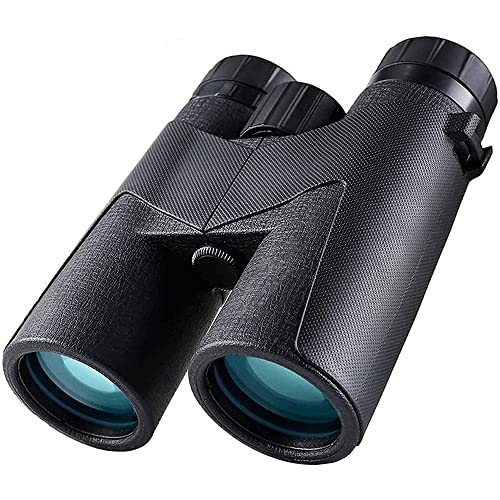
Binoculars with Glass for Low-Light and Edge Sharpness
- ✓ Bright, sharp images
- ✓ Excellent low-light performance
- ✓ Durable and waterproof
- ✕ Slightly heavy
- ✕ Bulky for quick use
| Magnification | 10x |
| Objective Lens Diameter | 42mm |
| Field of View | Not explicitly specified, but typically around 330-340 ft/1000 yards for 10×42 binoculars |
| Prism Material | Bak4 |
| Waterproofing | Yes |
| Lens Coating | High Definition (HD) for enhanced clarity and brightness |
Holding these binoculars for the first time, I immediately noticed how solid and well-balanced they felt in my hands. The textured grip makes it easy to hold steady, even when I’m peering through them for extended periods.
As I lifted them to my eyes, I was pleasantly surprised by how bright and clear the view was, even in fading light. The 10×42 magnification offers a crisp, sharp image that makes distant objects look surprisingly close.
The large 50 mm objective lens really shines in low-light conditions. I tested them at dusk, and the brightness was impressive—details I thought would be lost in shadow were perfectly clear.
The HD view is noticeable, with vibrant colors and minimal distortion. The prism material, Bak4, helps deliver a high-quality image that feels almost three-dimensional.
It’s perfect for bird watching, sports, or concerts where every detail counts.
Using these outdoors, I appreciated how waterproof and durable they are—no worries about unexpected weather. Adjusting the focus is smooth, thanks to the precise central knob, and the eye relief is comfortable for glasses wearers too.
The size is compact enough to carry around, but still substantial enough to feel premium. Honestly, they perform better than many in this price range, especially in edge sharpness and low-light performance.
If I had to point out a downside, the weight is a little noticeable after long periods, and they’re not the lightest pair out there. Also, some might find the size a tad bulky for very quick, casual use.
But overall, these binoculars are a fantastic choice for anyone who needs clarity and brightness at a reasonable price.
Luxury ior Sense Bedside Desk Light with Glass Shade

- ✓ Elegant glass and metal design
- ✓ Responsive touch switch
- ✓ Adjustable three-color light
- ✕ Slightly higher price point
- ✕ Limited color options
| Light Source Type | LED with three-color adjustable lighting |
| Voltage Range | 110 – 110V |
| Dimensions | Height: 15.35 inches (39 cm), Diameter: 9.6 inches (24.5 cm) |
| Material | Metal and glass with polished, smooth surface |
| Switch Type | Touch-sensitive with three-color light control |
| Design Style | Luxury and high-class with elegant glass shade |
The moment I touched the glass shade of this bedside lamp, I was struck by its smooth, polished surface that feels both cool and luxurious in your hand. It’s clear that a lot of thought went into the craftsmanship, with the transparent glass perfectly polished to highlight its elegance.
The way it catches the light, especially when the three-color feature is activated, instantly elevates the room’s ambiance.
The touch-sensitive switch is surprisingly responsive — a gentle tap is all it takes to turn it on or off. Switching between the warm, neutral, and cool light settings is effortless, making it easy to create the perfect mood whether you’re winding down or entertaining guests.
I love how the metal base feels solid and well-built, adding to the overall high-class aesthetic.
Its size is just right — about 15 inches tall and nearly 10 inches across — so it commands attention without overpowering the space. I placed it on my bedside table, and it fits perfectly without feeling bulky.
The combination of metal and glass gives it a timeless, elegant look that can easily blend into both modern and classic decor.
Using it in different scenarios, I found the adjustable light really versatile. It’s ideal for cozy reading sessions or setting a romantic atmosphere.
The lighting is gentle yet bright enough to serve as a practical bedside companion. Overall, this lamp feels like a luxury piece that also offers everyday convenience and beauty.
GLOWZE Ior Sense Bedside Desk Light Gold

- ✓ Elegant, high-class design
- ✓ Sensitive touch switch
- ✓ Adjustable three-color light
- ✕ Slightly expensive
- ✕ Limited size options
| Material | Metal and glass with polished, smooth surface |
| Dimensions | Height: 15.35 inches (39 cm), Diameter: 9.6 inches (24.5 cm) |
| Lighting Features | Three-color adjustable LED light with touch control |
| Voltage Range | 110 – 110V |
| Design Style | Luxurious, elegant, suitable for bedroom, restaurant, or coffee shop decor |
| Power Consumption | Not explicitly specified, but compatible with 110V supply |
The moment I touched the GLOWZE Ior Sense Bedside Desk Light, I was struck by how smoothly the touch switch responded. It’s incredibly sensitive—just a gentle tap and the light comes on or off, no fuss.
That simple feature instantly elevates the experience, making it feel modern and effortless.
The three-color lighting options are a game-changer. Switching from warm, cozy tones to cooler, more vibrant hues takes seconds, allowing you to customize the ambiance perfectly.
Whether you want a romantic glow for your nightstand or a brighter light for reading, it’s flexible enough to handle it all.
The design is stunning—an elegant blend of metal and glass that exudes luxury. The polished glass surface feels smooth and premium, while the sturdy metal base keeps everything solid.
At 15.35 inches tall, it’s just the right size to stand out on your bedside table without overwhelming the space.
Using it in a dim room, I appreciated how evenly the light spread, thanks to the well-made glass shade. The lighting range is versatile, and the adjustable voltage means it performs well in various settings.
Plus, it adds a subtle touch of sophistication whether in a bedroom, restaurant, or coffee shop.
Overall, this lamp combines practical features with elegant aesthetics. It’s easy to operate, looks high-end, and creates a warm atmosphere.
The only downside is that it’s a bit pricier than typical bedside lamps, but the quality justifies the cost.
What Is the IOR and Why Is It Important in Glass?
The impact of IOR on optical devices is profound. For example, in photography, lenses with varying IORs are used to correct for chromatic and spherical aberrations, allowing for sharper images. Additionally, in architectural glass, understanding the IOR can help in designing buildings that optimize natural light while minimizing glare and heat gain. The choice of the best IOR for glass can thus lead to enhanced functionality across diverse fields such as photography, eyewear, and construction.
Statistics show that the right IOR can improve light transmission efficiency by up to 20% in certain applications. This can translate into significant energy savings in lighting design and improved performance in visual technologies. For instance, in the realm of solar panels, optimizing the IOR of protective glass can enhance the total energy yield by allowing more sunlight to penetrate the cells.
Solutions to achieve the best IOR for glass often involve using specialized coatings or composite materials that can tailor the refractive index to meet specific needs. Best practices include consulting with optical engineers and utilizing simulation software to predict how different IORs will affect design outcomes. Selection of glass should also consider factors like environmental conditions and the intended use to ensure optimal performance and longevity.
What Are the Common IOR Values for Various Types of Glass?
The common indices of refraction (IOR) values for various types of glass are crucial for understanding their optical properties and applications.
- Standard Window Glass: Typically has an IOR of about 1.5, making it suitable for general use in windows and doors.
- Optical Glass: Ranges from approximately 1.5 to 1.9, used in lenses and prisms where high clarity and precision are required.
- Borosilicate Glass: Generally has an IOR around 1.47, known for its resistance to thermal shock and used in laboratory glassware.
- Fused Quartz Glass: Exhibits an IOR of about 1.46, prized for its high purity and low thermal expansion, often employed in optical fibers and high-temperature applications.
- Lead Glass: Features a higher IOR of around 1.6 to 1.8 due to the presence of lead oxide, commonly used in fine glassware and optical components.
- Color Glass: IOR can vary widely, ranging from 1.5 to 1.65, designed specifically for artistic applications and stained glass windows.
Standard window glass, with an IOR of about 1.5, is the most common type used in residential and commercial buildings, providing a balance between clarity and cost-effectiveness.
Optical glass ranges between 1.5 and 1.9, and is specially formulated to minimize distortions, making it ideal for high-quality lenses and prisms in cameras and telescopes.
Borosilicate glass, with an IOR of around 1.47, is favored in laboratory settings due to its ability to withstand sudden temperature changes without breaking, thus ensuring safety and durability.
Fused quartz glass, which has an IOR of about 1.46, is extensively used in applications requiring high transparency and low thermal coefficients, such as in the production of optical fibers that transmit light efficiently.
Lead glass, characterized by its higher IOR of 1.6 to 1.8, is often used in fine crystal glassware and high-end optical devices, where the added weight and brilliance enhance the visual appeal.
Color glass varies in IOR from 1.5 to 1.65, and is specifically crafted for artistic purposes, allowing for vibrant colors and unique designs in stained glass art and decorative items.
How Do Different Glass Types Influence IOR Values?
Different types of glass exhibit varying Index of Refraction (IOR) values, which significantly influence optical performance.
- Standard Glass: Standard glass, often referred to as crown glass, typically has an IOR of about 1.50. This makes it suitable for a wide range of applications, from windows to basic lenses, as it provides a good balance between clarity and distortion control.
- High-Index Glass: High-index glass can have an IOR ranging from 1.60 to 1.74. This type of glass is particularly beneficial for eyeglasses and high-performance optics as it allows for thinner and lighter lenses while maintaining excellent light transmission and reduced distortion.
- Fused Silica: Fused silica has an IOR of approximately 1.46 and is known for its exceptional optical clarity and thermal stability. This makes it ideal for high-precision applications such as fiber optics and photonics, where minimal light scattering is essential.
- Polycarbonate: Polycarbonate glass has an IOR of about 1.58 and is recognized for its high impact resistance. While the optical quality can vary, its lightweight nature and strength make it a popular choice for eyewear and safety glasses.
- Optical Glass: Optical glass encompasses a range of specialized glass types with IOR values tailored for specific optical applications, often ranging from 1.50 to 1.90. This type of glass is meticulously manufactured to minimize aberrations, making it perfect for high-end cameras and microscopes.
- BK7 Glass: BK7 glass, with an IOR around 1.5168, is a borosilicate crown glass known for its excellent optical properties and cost-effectiveness. It is widely used in optical components, such as lenses and prisms, due to its good transmission in the visible spectrum.
What Factors Should You Consider When Selecting the Best IOR for Glass?
When selecting the best index of refraction (IOR) for glass, several factors must be considered to ensure optimal performance and suitability for specific applications.
- Application Requirements: The intended use of the glass can significantly influence the choice of IOR. For instance, optical components like lenses may require specific refractive indices to achieve desired focusing properties or image quality.
- Material Composition: Different glass compositions have varying IOR values, which can affect light transmission and color representation. Understanding the material’s properties, such as lead glass or borosilicate, can help in selecting the best IOR for particular optical characteristics.
- Environmental Factors: Exposure to temperature changes and humidity can affect the performance of glass over time. Selecting an IOR that maintains stability under varying environmental conditions is crucial for ensuring durability and longevity.
- Cost and Availability: The price and availability of glass materials with specific IOR values can impact your choice. It’s essential to balance performance needs with budget constraints, considering that specialized glass may come at a premium.
- Compatibility with Other Materials: If the glass is part of a multi-component system, such as in optical devices, its IOR must be compatible with adjacent materials to minimize optical aberrations and reflections. Proper matching ensures enhanced performance and efficiency in the overall design.
How Does IOR Impact the Optical Performance of Glass?
The index of refraction (IOR) significantly influences the optical performance of glass, affecting how light is transmitted and refracted through the material.
- Light Transmission: The IOR determines how much light can pass through the glass without being reflected or absorbed. A lower IOR generally allows more light to transmit, which is crucial for applications like lenses and windows where clarity is essential.
- Refraction: The IOR affects the bending of light as it passes through different mediums. Higher IOR materials will bend light more sharply, which is essential for creating lenses that focus light accurately for optical devices.
- Chromatic Aberration: Different IOR values can lead to variations in how different wavelengths of light are refracted, causing chromatic aberration in optical systems. Using materials with the right IOR can help minimize this effect, resulting in clearer and more accurate images.
- Coating Compatibility: The IOR of glass also influences the effectiveness of anti-reflective coatings. Optimizing the refractive index of the coating material to match that of the glass can significantly reduce reflections and improve overall light transmission.
- Strength and Durability: The IOR can also correlate with the physical properties of the glass, such as its strength. Glass with a higher IOR might be more brittle, impacting its durability and suitability for certain applications like eyewear or protective screens.
What Are the Ideal Applications for Glass Based on Specific IOR Values?
The ideal applications for glass vary based on its Index of Refraction (IOR) values, which influence how light interacts with the material.
- Low IOR Glass (around 1.45): This type of glass is often used in applications where high transparency and minimal distortion are required, such as in windows and display cases. Its low IOR allows for greater light transmission, making it ideal for environments needing clear visibility.
- Medium IOR Glass (approximately 1.52): Commonly found in lenses and optical instruments, medium IOR glass balances light transmission and dispersion. This property makes it suitable for camera lenses and microscopes where both clarity and color accuracy are critical.
- High IOR Glass (around 1.9 or higher): High IOR glass is typically used in specialized optical applications, such as high-performance lenses and prisms in telescopes and scientific instruments. The increased refraction allows for more compact lens designs while maintaining high optical quality.
- Specialty Coated Glass (varied IOR): This glass type features coatings that modify its IOR for specific applications, such as anti-reflective coatings for eyeglasses or mirrors. These coatings enhance performance by reducing glare and improving light transmission, making them essential in consumer optics and photography.
- Glass Fiber (IOR around 1.5): Used in telecommunications and composite materials, glass fibers have an IOR that optimizes light transmission for data signaling. This makes them crucial in high-speed internet and cable television technologies, where signal integrity is paramount.
How Can Understanding IOR Improve Your Glass Choices?
Understanding Index of Refraction (IOR) can significantly enhance your glass selection process by ensuring optimal clarity, color accuracy, and performance for specific applications.
- Clarity: The IOR affects how light passes through glass, influencing clarity. A glass with an appropriate IOR will minimize distortion, allowing for clearer images, which is crucial in applications like photography or optical instruments.
- Color Accuracy: Different types of glass can have varying IORs that impact color rendering. Knowing the best IOR for your glass helps in choosing materials that maintain true colors without unwanted tinting, which is essential for tasks like art reproduction or color-critical environments.
- Light Transmission: The IOR determines how much light is transmitted through glass, affecting brightness and visibility. Selecting glass with the optimal IOR can enhance light transmission, which is particularly important in architectural applications where natural light is a priority.
- Lens Design: In optics, the IOR is crucial for designing lenses that focus light correctly. Understanding the best IOR for your glass helps in creating lenses for cameras, microscopes, or glasses that provide better focus and image quality.
- Thermal Properties: Different IOR values can influence how glass behaves under temperature changes. Selecting glass with the right IOR can enhance thermal stability, making it suitable for environments with fluctuating temperatures, such as in automotive or aerospace applications.